 general
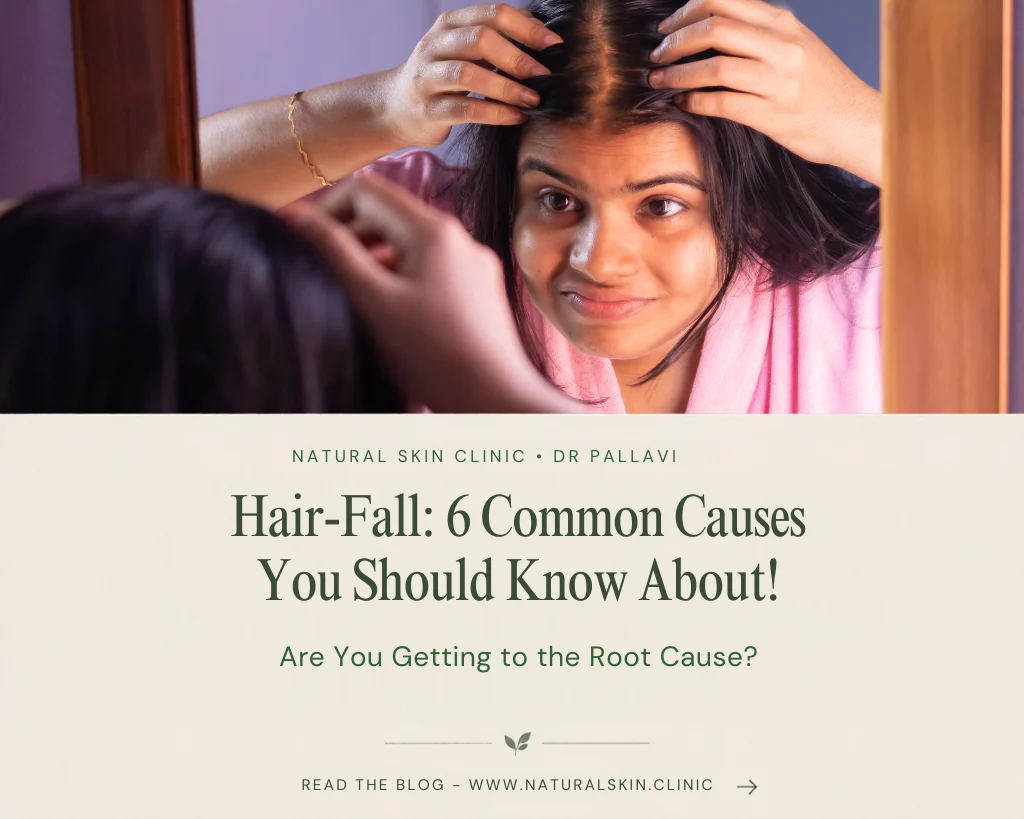
Hair Fall: 6 Common Causes and How to Find the Root Cause
Are you getting to the root cause?
You notice it in the shower drain first. Then on your pillow, in your hairbrush, on the bathroom floor. Your ponytail feels thinner than it used to, and every wash leaves you a little more worried.
If this sounds familiar, you are not alone. Hair fall is one of the most common concerns I hear about, especially from women who have moved to Australia or New Zealand and noticed their hair change in the months or years that followed.
The first thing to know is that some hair fall is completely normal. Most people shed around 100 hairs a day as part of the natural hair-growth cycle. It is when you are losing noticeably more than usual, or your hair is becoming thinner, that it deserves a closer look.
The second thing to know is that hair fall is usually a sign of something else going on. Oils, serums and new shampoos can make hair look and feel better, but they rarely tell you why it is falling. That is why I always start with the root cause.
Here are six common causes of hair fall and hair loss to understand.
1. Stress and big life changes
A stressful period, an illness with fever, surgery, a crash diet or another big shock to the body can push many hairs into their resting phase at the same time. A few months later, those hairs shed together. This is called telogen effluvium, and it is one of the most common reasons for sudden, all-over hair fall.
What surprises many people is the delay: the extra shedding usually starts two to four months after the stressful event. So the hair fall you notice today may be linked to something that happened earlier in the year, such as a move overseas, a new job, a family health scare or exam pressure.
The good news is that this kind of shedding is usually temporary. Once the trigger settles, it tends to ease over the following months, and new hair keeps growing underneath.
2. Low iron, zinc and other nutrients
Your hair follicles are some of the busiest cells in your body, and they need a steady supply of nutrients. Low iron and zinc are both recognised triggers for hair fall.
Women who have heavy periods, have recently had a baby, or follow a vegetarian diet are more likely to run low on iron. If you are vegetarian or vegan, it is also worth knowing that vitamin B12 is found almost only in animal foods such as milk, cheese and eggs, so a plant-based diet needs a little more planning to cover it.
For many Indian families, a vegetarian diet is a way of life, and it can absolutely be a nourishing one. It simply means paying attention to the details: regular dals, legumes, leafy greens, nuts and seeds, enough protein, and asking your GP to check your levels if you are worried.
3. Thyroid changes
Your thyroid gland helps set the pace of many processes in the body, including hair growth. An underactive thyroid (hypothyroidism) is a well-known cause of hair loss, often alongside tiredness, feeling cold, weight changes or dry skin.
Thyroid conditions are common, especially in women, and a simple blood test arranged by your GP can check how your thyroid is working.
4. Hormonal changes: pregnancy, postpartum and PCOS
Hormones have a powerful effect on hair.
After childbirth, many women notice heavy hair fall a few months after the baby arrives. During pregnancy, more hairs stay in the growing phase; after birth, they shed together. It can be alarming, but it is very common.
Polycystic ovary syndrome (PCOS) can raise levels of androgens (hormones such as testosterone), which in some women leads to thinning hair on the top of the head, along with symptoms such as acne, irregular periods or extra body hair.
Starting or stopping the contraceptive pill and other medicines can also trigger shedding. If you have recently changed a medication, mention it to your doctor, and do not stop any prescribed medicine without their advice.
5. Genetics and pattern hair loss
Sometimes hair loss runs in the family. Female and male pattern hair loss (androgenetic alopecia) is usually inherited. Hair follicles become more sensitive to androgens, even when hormone levels are normal, and hair gradually becomes finer and thinner over time.
In women this often shows as a widening parting or thinning on the crown, rather than bald patches. Because it develops slowly, it is easy to confuse with other causes, which is another reason to look at the whole picture rather than guess.
6. Hair care habits and your water
Not every strand on the floor has fallen from the root. Some hair fall is really breakage: the hair snaps partway along its length.
Common culprits include tight buns, braids and ponytails (which can cause traction hair loss over time), frequent heat styling, harsh chemical treatments and rough towel-drying.
Many people who move countries also blame the water, and there may be something in it. One small study found that hard water reduced hair strength and could increase breakage, although the researchers said more research is needed, and it did not show that hard water causes hair to fall from the root. If your hair feels rough and snaps easily after washing, gentle care and a good conditioner may help it feel stronger.
Hair fall or hair breakage: how to tell the difference
Look closely at a few of the hairs you have lost:
- A full hair with a tiny white bulb at one end has shed from the root. This points to causes such as stress, nutrition, hormones or thyroid changes.
- Short pieces with no bulb have broken off. This points more to styling, heat, chemical treatments or water.
It is a simple check, but it helps you and your practitioner ask the right questions.
When to see your GP
Talk to your doctor if you are losing considerably more hair than usual, if hair is coming out in clumps or patches, or if your hair fall comes with other symptoms such as tiredness, weight changes or irregular periods. Your GP can arrange blood tests (for example iron, thyroid and B12) and refer you to a dermatologist if needed.
Getting to the root cause of your hair fall
Here is what I want you to take away from this article: hair fall is rarely about your hair alone. It is often your body’s way of telling you that something needs attention, whether that is stress, nutrition, hormones, thyroid health or the way you care for your hair.
That is why I don’t believe in a one-size-fits-all bottle or treatment. At Natural Skin Clinic, I look at the whole person: your health history, diet, stress, sleep, menstrual and hormonal health, recent life changes and how you care for your hair and scalp. Combining homeopathy, naturopathy and personalised nutrition, we work together to understand what may be behind your hair fall and build a plan that suits you, alongside your GP or dermatologist.
I see clients online across Australia and New Zealand, and in person in Sydney and Auckland by appointment.
If you are tired of guessing and want to understand what your hair is telling you, book your consultation or read more about how we work.
Warm regards,
Dr Pallavi Vasisht, Holistic Skin Specialist
Homeopath and Naturopath